15x15x4 Air Filters: Is Your HVAC MERV 13 Ready?
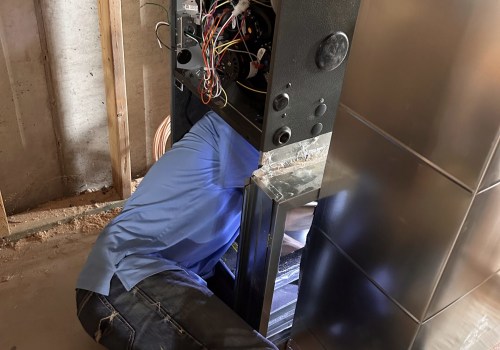
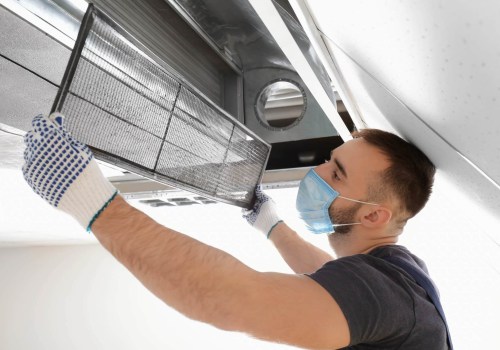
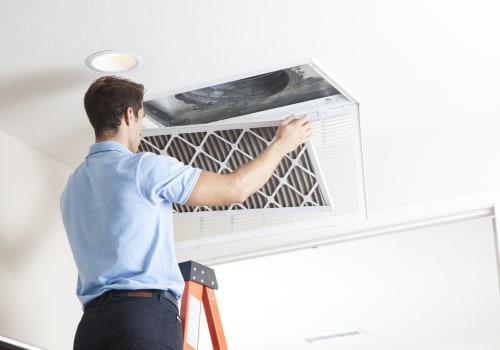
Last Tuesday, I was up on a ladder in a Palm Beach Gardens attic, swapping a sticky 15x15x4 filter for a homeowner whose AC felt anemic since she'd switched to MERV 13. Same story I've heard a dozen times this pollen season. The box at the store said MERV 13; the family's allergies needed MERV 13, but nobody told her the air handler had to actually push air through it. The good part for her, and probably for you, is that 15x15x4 is one of the few sizes where MERV 13 usually does cooperate. Four inches of depth gives the pleats room to breathe.
What this comes down to is whether your blower has the muscle for it. Some of the older Jupiter air handlers, especially the ones installed before ECM motors got common, don't have the static-pressure headroom for a MERV 13 swap. Others handle it fine, and your family ends up breathing better air for six months without anyone noticing the difference.
Here's the ten-minute check we run on every system before we recommend the upgrade. By the end of it,t you'll know which side of the line your HVAC falls on.
TL;DR Quick Answers
15x15x4 Air Filters
A 15x15x4 air filter is a four-inch-deep pleated filter built for HVAC systems with a four-inch return slot or media cabinet. The cardboard frame usually measures about 14.5 by 14.5 by 3.75 inches, so pull the old one out and measure it before you order replacements. The extra depth is what makes this size special. It lets the filter carry a higher MERV rating without choking your airflow the way a one-inch panel would. Across the Jupiter homes we work on, most modern systems run MERV 11 in a 15x15x4 slot without a hiccup, and plenty can step up to MERV 13 when the blower has enough static-pressure headroom. Honest rule we share with neighbors: read the air handler nameplate first, then upgrade with confidence.
Top 5 Takeaways
A 15x15x4 air filter usually measures 14.5 by 14.5 by 3.75 inches inside the cardboard frame, so measure before you order.
MERV 13 catches pollen, mold spores, smoke, and many bacteria-carrying droplets. The trade-off is more pressure on your blower.
Four inches of depth is a friend to higher MERV ratings, because deeper pleats spread the airflow restriction across more surface area.
Older PSC blowers often struggle with MERV 13. Newer ECM blowers usually handle the upgrade fine.
Ten minutes with the air handler nameplate, a static-pressure reading, and a look at the return grille will tell you whether your system is ready.
What A 15x15x4 Air Filter Actually Is
Filter sizing is one of those things the industry made slightly confusing. The 15-by-15-by-4 label on the box is a nominal size, not a tape-measure size. Pull the actual filter out of your slot, and you'll almost always find it reads closer to 14.5 by 14.5 by 3.75 inches in the cardboard frame. The four inches of depth is what sets this size apart from the thin one-inch panels most homes have, and it's what lets the manufacturer pack in a longer accordion of pleats. More pleats means more square footage of media for air to pass through, which is the whole reason a thicker filter can carry a higher MERV rating without choking your AC.
The basic build is pleated synthetic media inside a cardboard frame. Some 15x15x4 versions add an activated carbon layer for odor control, and that one earns its keep down here, where the AC runs eight months a year, and Florida humidity carries every cooking smell, pet smell, and humid-attic smell straight through the return ducts. Bulk and 4-pack listings are common, which makes it easy to keep a year of replacements on the shelf instead of running to the store every two months.
For the textbook background on how filtration media works inside any HVAC system, the general overview of the air filter entry on Wikipedia is worth a read.
The actual-size question matters more than most homeowners realize. A filter that's a quarter inch too big will buckle inside the slot and create gaps where unfiltered air bypasses the media entirely. A filter that's a quarter inch too small lets air rush around the frame instead of through the pleats. The fix is simple: match the actual numbers printed on the existing filter, not the nominal size on the cabinet door label.
The MERV 13 Trade-Off In Plain Language
Higher MERV means more particles are captured, and that comes at the cost of increased airflow resistance. The technical name for that resistance is pressure drop, and it's measured across the filter. A clean MERV 8 panel might add about 0.1 inches of water column at residential airflow. A MERV 13 of the same one-inch thickness can add 0.3 inches or more, which is roughly triple the load on your blower. That matters because every air handler comes with a maximum total external static pressure rating from the factory, and on older Florida homes, that number is often 0.5 inches of water column. There's not a lot of headroom to spare.
The four-inch slot rewrites that math. A MERV 13 spread across four inches of depth has roughly four times the pleat surface area of the one-inch version, which means air has four times the openings to pass through. The per-square-inch resistance drops. In practice, a 15x15x4 MERV 13 usually results in a lower pressure drop than a 1-inch MERV 11. That single fact is the reason the four-inch slot is the sweet spot for upgrading filtration in a Florida home.
Across the three residential ratings:
15x15x4 MERV 8 pleated air filters catch pollen, dust mites, and the big chunks of lint. Lowest pressure drop in the bunch. Older systems live happily on it.
A 15x15x4 MERV 11 air filter catches pet dander, mold spores, and the smaller pollen grains. Moderate pressure drop. Most modern residential blowers handle it without breaking a sweat.
A 15x15x4 MERV 13 allergen filter catches fine dust, smoke, and bacteria-carrying droplets. Highest pressure drop of the three, though the four-inch depth keeps the cost manageable.
Quick Check: Can Your HVAC Handle MERV 13 In A 15x15x4 Slot
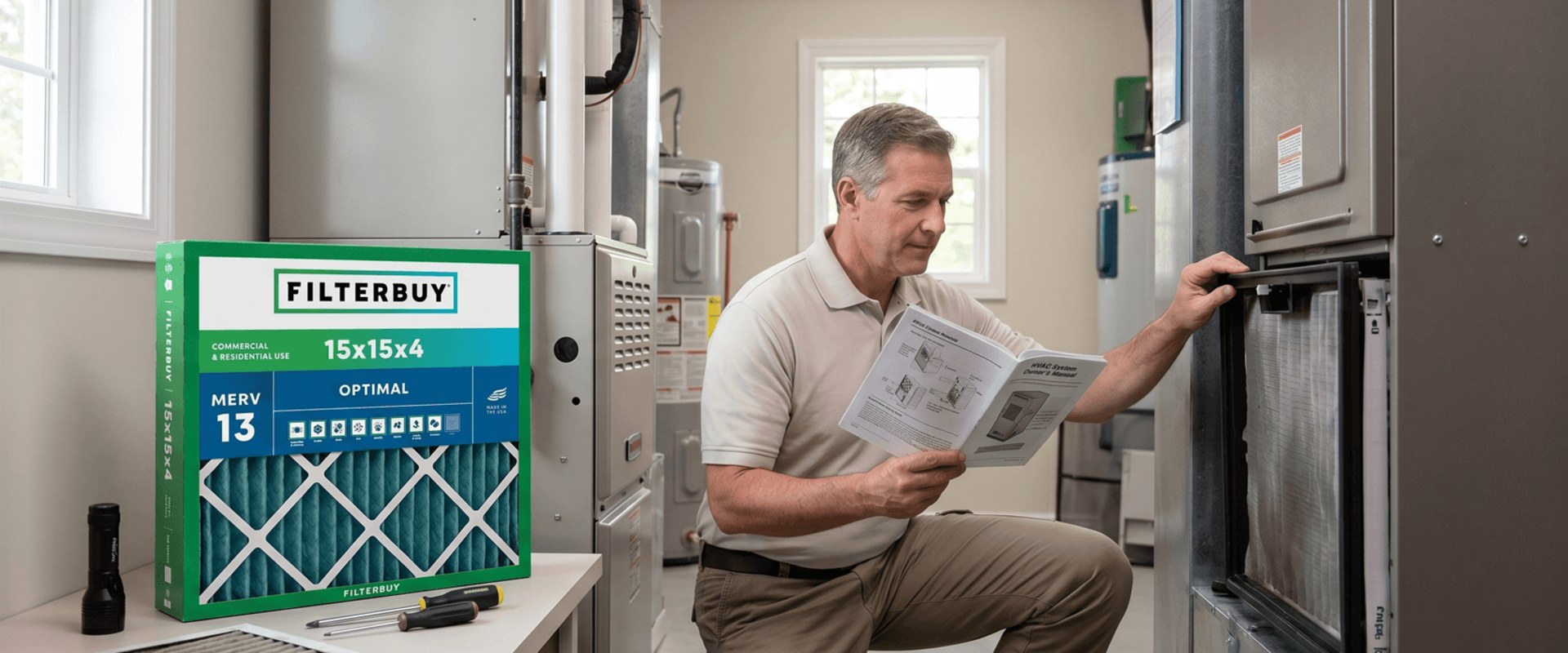
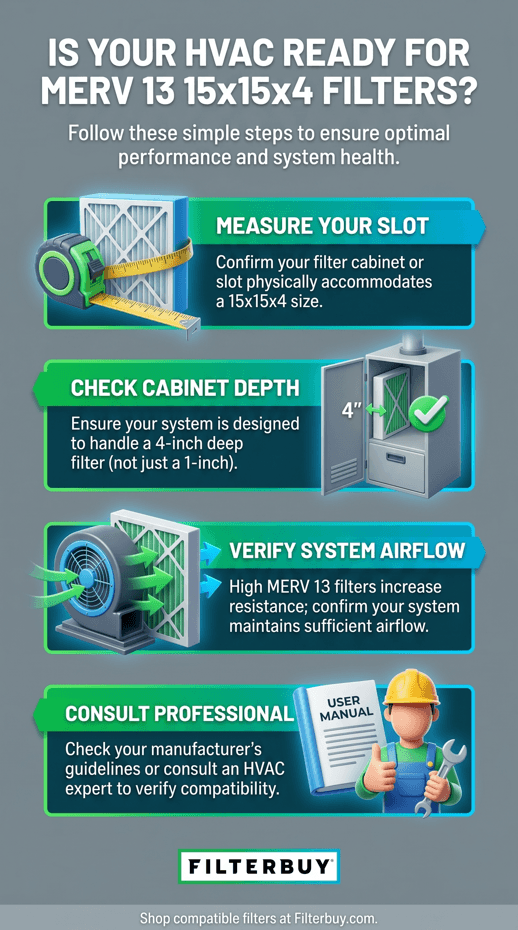
Here's the ten-minute check we run on every Jupiter system before we recommend the upgrade. Walk through it before you swap, and you'll know exactly what you're getting into.
Find the air handler nameplate. It's the metal label on the side of the indoor unit, usually visible without opening any panels. Look for the maximum total external static pressure rating. On older systems, that number tends to read 0.5 inches of water column. On newer ones, it's closer to 0.8.
Identify the blower type. ECM blowers, short for electronically commutated motor, handle MERV 13 well because they speed up to compensate for added resistance. Older PSC blowers, the permanent split capacitor type, don't have that built-in response and start to struggle as the filter loads with dust.
Read the pressure drop on a clean four-inch MERV 13. The rating is usually printed on the filter or the manufacturer's spec sheet, and it typically lands between 0.15 and 0.25 inches of water column at residential airflow. A loaded filter can double that figure, which is why the swap interval matters.
Measure airflow at two supply registers. We use an anemometer for this in the field, but you can get a rough read with a piece of toilet paper held against the louvers. Compare the readings before and after the swap. A noticeable drop at the registers means the blower is fighting the filter.
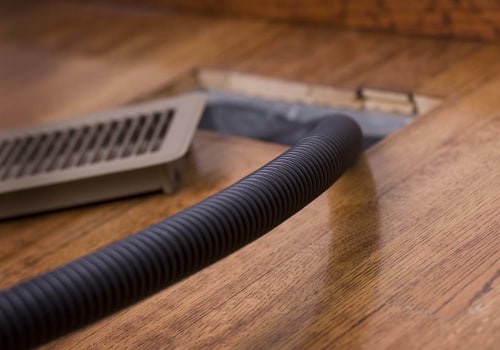
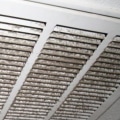
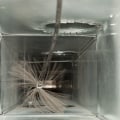
Pull the return grille and inspect the first three feet of duct behind it. A clogged return is the cheapest fix for an airflow problem and one of the biggest reasons MERV 13 swaps go sideways. We see it constantly in Jupiter homes with pets, because hair and dander cake the back of the grille and choke off intake.
If anything in the first five steps leaves you guessing, call a local technician for a free MERV compatibility check before you spend money on a year of 15x15x4 furnace filters that may not suit your system's airflow profile.
A Jupiter Homeowner's Case Study On Switching To MERV 13
One of our regulars on the north end of Jupiter, a homeowner named Brenda with two dogs and a daughter with mild asthma, called us last spring after she upgraded her 15x15x4 to MERV 13. Her registers felt weaker than usual, her electric bill had ticked up about 8 percent, and she wanted to know whether the new filter was the problem. When we pulled the cover off her return grille, we found a half-inch mat of dust and pet hair caked across the back of the metal grate. After a vent cleaning, the airflow came right back. Her bill normalized within the next billing cycle. The MERV 13 has been running fine for her through eight months of pollen season, and her daughter's overnight symptoms eased within the first two weeks of the cleaner air.
The lesson Brenda took home is the same one we share with every neighbor in a similar spot. A clean filter only does part of the work. Whatever sits in the ducts behind the filter still feeds the system, and if the return path is the bottleneck, no MERV upgrade will fix the airflow problem on its own. You can read about how duct buildup shortens filter life across other common sizes in our companion piece on 16x21x1 filters.
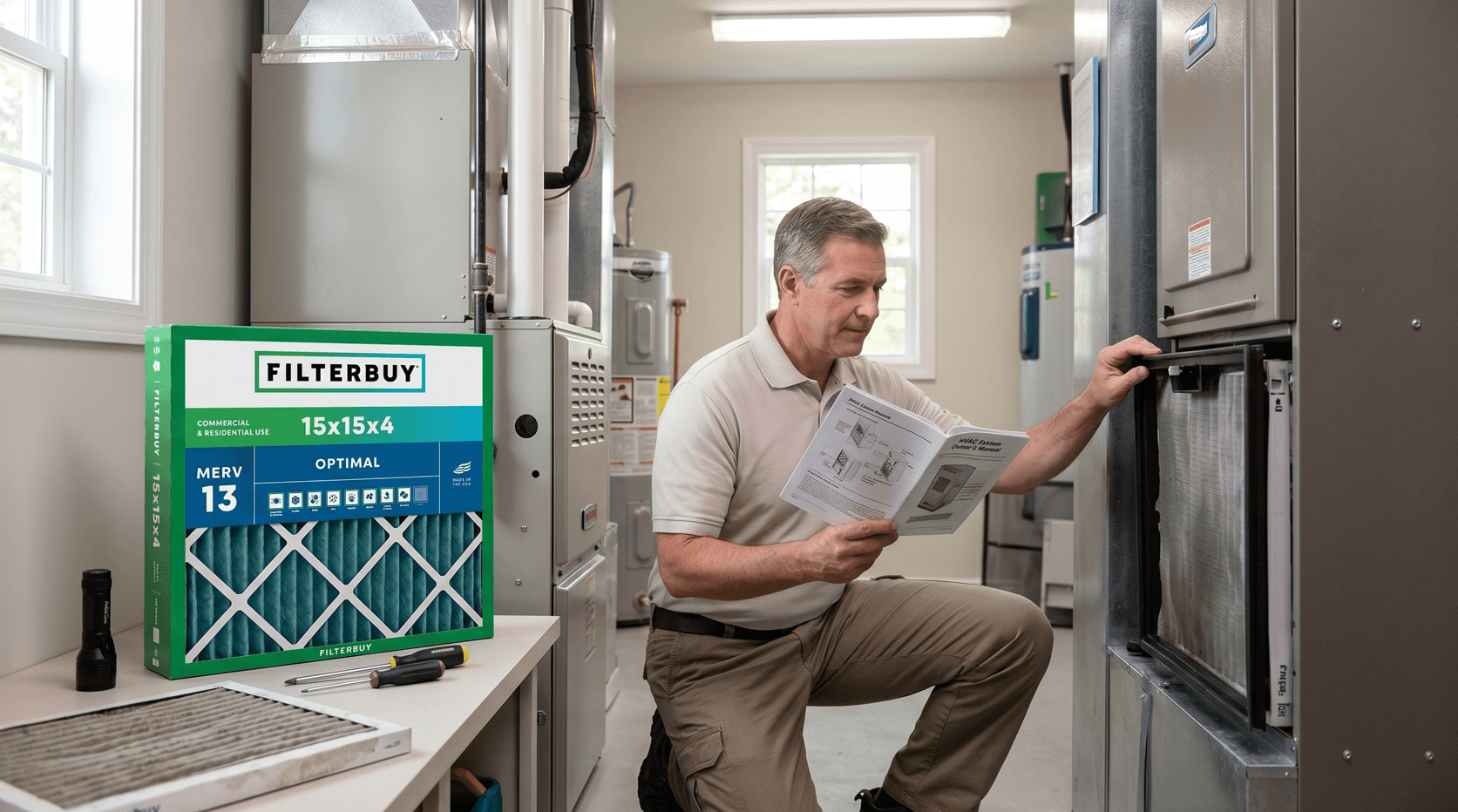
“In twenty-some years of pulling covers off Florida air handlers, the question I hear most from homeowners is whether MERV 13 is going to hurt the system. The honest answer: in a 15x15x4 slot, with a clean return and a healthy blower behind it, it's one of the best calls you can make for your family's air.”
Essential Resources On 15x15x4 Air Filters
The most useful reading on a MERV 13 upgrade doesn't come from filter manufacturers. It comes from the federal agencies and research labs that study filtration and indoor air for a living. Seven I send to homeowners who want to know what they're actually breathing, each from a different authority:
1. Get The Engineering Standard Behind Every MERV Number
ASHRAE writes the test standard that every MERV number on every filter you buy refers back to. This Q and A from their Journal walks through how the ratings actually work and lays out the MERV 13 recommendation for residential homes. Read it once, and the filter aisle stops being a guessing game.
Source: ASHRAE Journal Q And A On MERV Ratings And Air Filtration
2. Protect Your Family's Lungs From The Smallest Indoor Particles
The American Lung Association is direct about what filtration does for the people inside the house. Their air cleaning page recommends MERV 13 or above for furnace filters and breaks down which particles cause the most trouble. Worth a read for any Jupiter household with allergies, asthma, or older family members.
Source: American Lung Association Guide To Air Cleaning
3. See What A National Lab Found About Home Filtration
Lawrence Berkeley National Lab has spent decades running real-house studies on ventilation, filtration, and the energy cost of moving air. Their Residential Building Systems page is the closest thing to honest, vendor-free research on how to get cleaner indoor air without driving up your power bill.
Source: Berkeley Lab Research On Indoor Air Quality, Ventilation, And Infiltration
4. Tap Federal Research On Residential HVAC Air Quality
The Indoor Air Quality and Ventilation Group at NIST runs full-size residential test houses to measure exactly how HVAC choices change the air inside. The airflow and ventilation guidance most HVAC engineers rely on traces back to their published work.
Source: NIST Indoor Air Quality And Ventilation Group
5. Hire An HVAC Contractor Without Falling For A Scam
Before you let any HVAC contractor near your air handler, read this. The FTC lists the warning signs of home improvement scams and the questions to ask before signing a contract. We've seen too many neighbors get talked into work they didn't need by a contractor who knew they wouldn't check.
Source: FTC Guide On How To Avoid A Home Improvement Scam
6. See How Federal HVAC Experts Evaluate Air Filters
The GSA's high-performance buildings clearinghouse has a dedicated HVAC page that walks through filters, air handlers, MERV ratings, and how filtration choices affect energy use. It's written for federal building managers, but the same principles apply to a Jupiter ranch on a half-acre lot.
Source: GSA High-Performance Buildings HVAC Reference
7. Learn What Workplace Experts Say About Indoor Air
OSHA writes for workplaces, but the indoor air quality principles in this FAQ apply just as directly to a Florida home where the HVAC runs eight months a year. Temperature, humidity, ventilation, and filtration are the four levers, and OSHA explains how they interact better than most consumer sources.
Source: OSHA Indoor Air Quality Frequently Asked Questions
Supporting Statistics On MERV 13 And Home Air Quality
Three numbers we hand to homeowners who want federal-source backing before they commit to the upgrade. All three line up with what we see in real Florida 15x15x4 systems.
1. EPA Recommends MERV 13 Or Higher For Home HVAC Systems
EPA recommends filters rated MERV 13 or higher for capturing fine particles in residential HVAC systems.
Most furnaces and HVAC systems can accommodate a MERV 13 filter without creating equipment problems, provided the filter is replaced frequently.
When in doubt, the EPA points homeowners to a qualified HVAC technician to determine the highest efficiency filter their system can use.
Source: EPA Guide To Air Cleaners In The Home
2. DOE On Dirty Filters, Airflow, And HVAC Energy Use
A dirty, clogged filter reduces airflow and system efficiency, which forces the air conditioner to work harder and draw more energy.
When airflow is obstructed, dirt bypasses the filter and builds up on the evaporator coil, cutting the coil's heat-absorbing capacity and shortening equipment life.
DOE recommends checking the filter monthly during the cooling season and replacing it every one to two months in heavy-use Florida homes.
Source: DOE Energy Saver Guide On Air Conditioner Maintenance
3. NIOSH Research On MERV 13 Filtration Performance
NIOSH researchers found that DIY filtration units running MERV 13 filters reduced aerosol exposure by up to 73 percent in a simulated classroom.
Thicker MERV 13 filters performed measurably better in the same test, because more depth means more pleat surface area and more places for air to slip through.
The same physics applies to the 15x15x4 slot in your house. The four-inch depth is the reason MERV 13 works here without strangling airflow.
Source: CDC NIOSH Bulletin On The Effectiveness Of DIY Air Filtration Units
Final Thoughts And Opinion
My honest take after walking through this kind of upgrade in Jupiter homes for twenty-plus years: 15x15x4 is one of the few slot sizes where MERV 13 actually makes sense in a residential system. Four inches of depth does most of the heavy lifting. What matters more than the filter on every upgrade we walk into is the blower behind it and the duct path that feeds it.
The homes we see struggle with MERV 13 almost always share one of three traits:
The blower is older and weaker than the filter the homeowner just bought.
The return grille and the first few feet of duct have collected enough dust to act like a second filter.
The static pressure was already running near the system's maximum before the swap.
None of those are reasons to give up on MERV 13. There are reasons to spend ten minutes with the air handler nameplate before you order filters, and a few hundred dollars on a vent cleaning if the return path is overdue. The homeowners who do both tend to thank us six months later when pollen season hits and their family barely notices.
Frequently Asked Questions
Q: What Is The Actual Size Of A 15x15x4 Air Filter?
A: Pull the old filter out, and you'll usually see something close to 14.5 by 14.5 by 3.75 inches printed on the cardboard frame. The 15-by-15-by-4 label on the box is the nominal size, which is what the slot was designed around. Always measure before you order. A quarter inch off in either direction means either gaps where unfiltered air bypasses the media, or a filter that buckles when you slide it in.
Q: How Often Should I Change A 15x15x4 Air Filter?
A: In a typical Jupiter home, a four-inch 15x15x4 lasts three to six months. The range depends on pets, pollen load, and how hard the AC runs through the summer. The deeper media holds a lot more dust than a one-inch filter, which is part of what makes the four-inch worth the higher per-filter price. Check it once a month and swap it when the surface looks gray across most of the pleats.
Q: Can I Use A MERV 13 Filter In Any HVAC System?
A: Not every system. Older residential blowers with low static-pressure ratings can lose airflow under a MERV 13 load, and you'll feel it as weak registers and uneven cooling from room to room. Newer systems with ECM blowers handle the same filter without complaint in a four-inch slot. The quickest way to know which camp your air handler falls into is to read the nameplate and compare its maximum static pressure rating to the filter's pressure drop spec.
Q: Where Can I Buy A 15x15x4 Air Filter Near Me?
A: 15x15x4 isn't as common as 16x25x1, which is why you might come up empty at the local stores. Online retailers stock it routinely in MERV 8, MERV 11, and MERV 13, usually in 4-packs and bulk cases. Before you commit to a multi-pack, pull your old filter and confirm the actual dimensions and depth match what's printed on the box.
Q: Is MERV 11 Or MERV 13 Better For Allergies In A 15x15x4 Air Filter?
A: For allergy households, MERV 13 catches more of what's bothering you: smaller pollen grains, mold spores, fine pet dander. MERV 11 catches the larger versions of the same particles and puts noticeably less load on the blower. In most South Florida homes, we'd recommend MERV 13 if the system can handle the airflow. If the blower is older or the return path is dirty, MERV 11 is the safer step until you can address the duct side.
Q: Do 15x15x4 Air Filters Come With Activated Carbon?
A: Yes. A 15x15x4 carbon version adds an activated carbon layer on top of the pleated media, which captures odors and some volatile organic compounds that pass straight through a standard pleated filter. The carbon layer earns its keep in homes with strong cooking smells, pets, or off-gassing from recent construction. Worth knowing that the carbon doesn't raise the MERV rating on its own, so if you want both particle and odor control, look for a MERV 11 or MERV 13 carbon option.
Q: Can I Order 15x15x4 Air Filters In A 4 Pack Or Bulk?
A: Most major manufacturers offer 15x15x4 filters in 4-packs and larger bulk cases. A single 4-pack covers about a year of replacements for one filter slot in a typical residential setup. Bulk orders are common for landlords, property managers, and homeowners running more than one filter slot in the same house.
Q: Are Custom 15x15x4 Air Filters Worth It Over Standard Sizes?
A: Custom makes sense in three specific situations: when your slot needs an odd actual size that doesn't match the standard 14.5 by 14.5 by 3.75 inches, when you want a MERV or carbon configuration that isn't on the shelf, or when you need a deeper-than-standard pleat count for higher dust-holding capacity. For most homeowners with a standard 15x15x4 slot, a stock pleated filter from a known manufacturer does the job well at a lower price.
Schedule Your Free MERV Compatibility Check Today
Ten minutes with your nameplate tells us whether a MERV 13 15x15x4 is the right call for your home. Reach out to your local Filterbuy HVAC Solutions team for a free compatibility check, and we'll walk through your blower, your ducts, and your filter to make sure all three are pulling in the same direction.
Learn more about HVAC Care from one of our HVAC solutions branches…
Filterbuy HVAC Solutions - West Palm Beach FL
1655 Palm Beach Lakes Blvd., Ste 1005 West Palm Beach, FL 33401
(561) 448-3760
https://maps.app.goo.gl/VarpgNZnxuPQuW8A7